Best Freeze-Dried Treats for Puppies in Singapore (2026)
By BEANS Team · Published
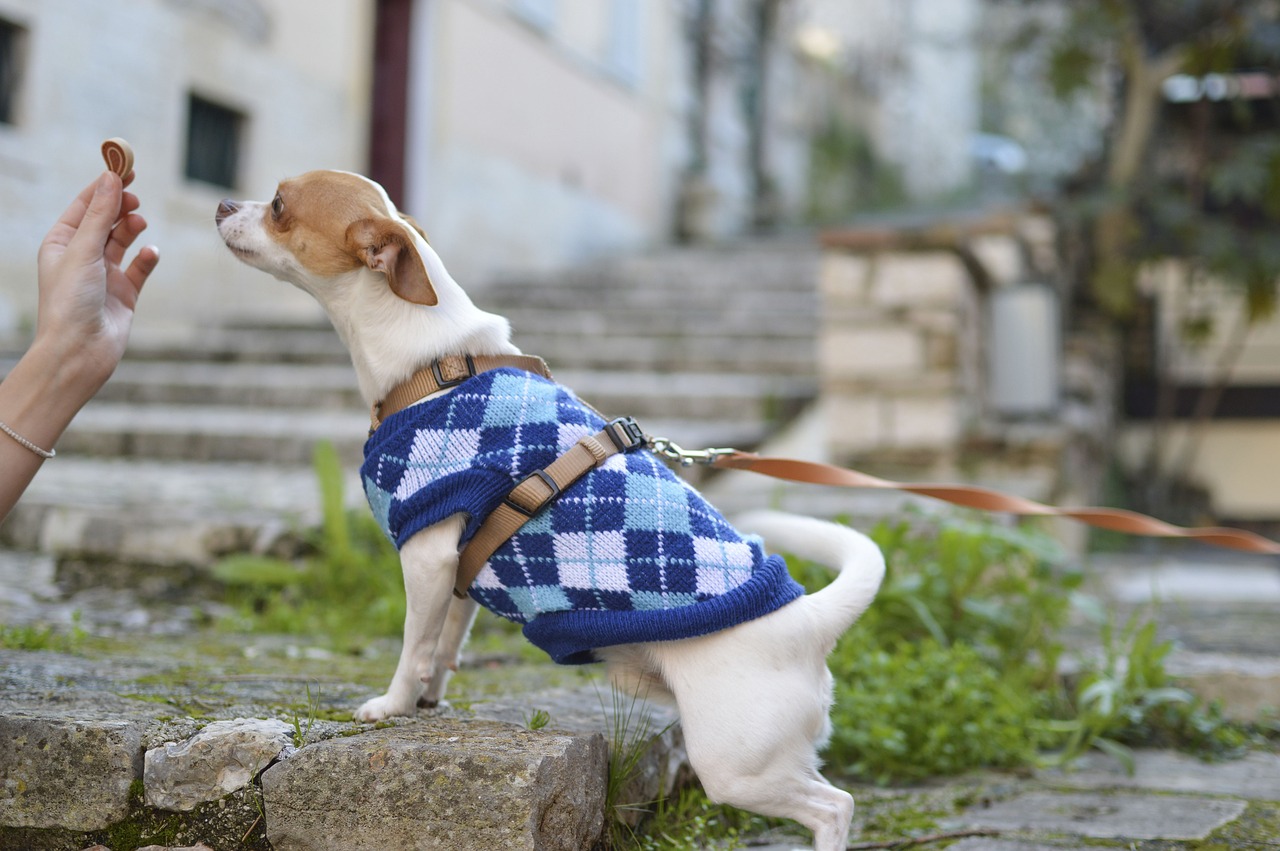
TL;DR
For a new puppy, choose a lean, single-protein freeze-dried treat and break it into pea-sized crumbs. Keep treats under 10% of daily calories, introduce one protein at a time and wash your hands after handling. We'd start with ostrich, add horse or rabbit later, and save rich kangaroo for big moments.
- AVS says puppies have a critical socialisation window from about 3 to 14-16 weeks, and recommends rewarding with treats and praise.
- A pea-sized piece is enough, even for large dogs, and treats should stay under 10% of a puppy's daily calories.
- Start with a lean novel protein such as ostrich (min 83% protein, 9.6% fat) and save kangaroo and venison for later.
- Freeze-dried treats are not cooked, so wash your hands after training sessions.
- Keep the pouch sealed and out of the sun in Singapore's humidity.
What are the best freeze-dried treats for puppies in Singapore?
The best puppy treat is a single-protein, lean treat you can break into tiny pieces, from a seller who lists the full ingredients. For most puppies in Singapore we'd start with ostrich: lean, strong-smelling and easy to crumble.
Our pick is Ostrich Freeze-Dried Treats: 100% ostrich from South Africa, nothing added, a minimum of 83% protein and about 9.6% fat, at $22.90 for 50g. That link also applies the first-order code at checkout. Ostrich is a protein most puppies will never have eaten, so if your puppy's tummy reacts to something later, you have one fewer suspect to worry about. The pack is labelled suitable for all life stages.
Ostrich Freeze-Dried Pet Treats (SGD $22.90): Pure ostrich. Nothing else. An exotic lean red meat that's naturally grain-free and additive-free.
You can see every protein side by side on our freeze-dried treats page. Orders ship within 24 hours, and delivery is free over $50. Below we cover how small a puppy treat should be, how many a day is sensible, which proteins to save for later, and how to handle freeze-dried treats safely in a humid flat. Where a different kind of reward suits your puppy better, we say so.
Why do treats matter so much in a puppy's first months?
Because the first few months are when your puppy learns the most, and food rewards make learning fast. Treats are a tool for training and socialising, not a snack.
Singapore's Animal and Veterinary Service (AVS) says modern dog training "uses positive reinforcement", where you reward the behaviour you want with treats, praise or play so it is more likely to happen again. AVS also notes that puppies have "a critical socialisation window between approximately 3 and 14-16 weeks of age", and suggests rewarding brave behaviour with treats and praise (AVS, Dog training).
In an HDB flat, that window is full of new things: the lift, the void deck, the rubbish chute door, renovation drilling next door, neighbours in the corridor. A pocket of tiny treats lets you pair each new sound or sight with something good, a few seconds at a time. AVS also encourages puppies to attend basic obedience training, and a puppy who already works for treats tends to settle into a class faster.
How small should a puppy treat be, and how many a day?
About the size of a pea, and treats should stay under 10% of your puppy's daily calories. Puppies need lots of rewards in a session, so the pieces must be tiny.
The American Kennel Club puts it simply: "Even for large dogs, a pea-sized treat is plenty," and it notes that puppies in intense training can end up eating handfuls of treats a day (AKC). Purina, citing Tufts vets, suggests a treat "no bigger than your smallest fingernail", and says experts advise that no more than 10% of a puppy's daily calories should come from treats (Purina).
AVS points out that puppies need more calories than adult dogs (AVS, Caring for a dog). That makes it tempting to be generous with treats, but a puppy's main meals carry the balanced nutrition growth depends on. Treats should never crowd those out.
What this looks like in practice:
- Break each freeze-dried cube into 4 to 6 crumbs before a session. They snap easily by hand.
- Count training treats as part of the day's food. On a heavy training day, trim the next meal slightly.
- Our feeding guide suggests 4 to 6 cubes a day for dogs under 10kg. For a young puppy, use the low end and crumble them.
For more on daily limits, see our guide to how many treats a dog should have.
Is it safe to give a puppy freeze-dried treats?
Yes, for most healthy puppies, as long as you keep pieces small, introduce one protein at a time and handle them with clean hands. Freeze-dried treats are dried without cooking, so treat them as you would raw meat in the kitchen.
The US Food and Drug Administration names Salmonella and Listeria monocytogenes as the main concerns with raw pet food, and its advice is to "thoroughly wash your hands with soap and water (for at least 20 seconds) after handling raw pet food" and to clean surfaces it touches (FDA). That page was written about raw pet food in general rather than freeze-dried treats specifically, but the habits are sensible either way:
- Wash your hands after a training session, especially before handling food or young children.
- Use a treat pouch you can wash, rather than a trouser pocket.
- Give new treats in small amounts for the first few days and watch the poo.
If your puppy is very young, is on a vet diet, or has had tummy trouble since coming home, check with your vet before adding anything new.
Which protein suits a puppy best?
A lean protein your puppy hasn't eaten before is the safest start; save the rich red meats for later. Here is how our range compares on the label.
| Treat (50g) | Price | Per gram | Protein (min) | Fat (min) | For a puppy |
|---|---|---|---|---|---|
| Ostrich | $22.90 | $0.46 | 83% | 9.6% | Our first pick: lean, novel, crumbles easily |
| Horse | $22.90 | $0.46 | 50% | 10% | Good second protein, very few dogs have tried it |
| Rabbit | $16.90 | $0.34 | 81% | 6.7% | Leanest on the list and the best value |
| Kangaroo | $19.90 | $0.40 | 60% | 27% | Rich: tiny amounts as a jackpot reward |
| Venison | $19.90 | $0.40 | 55% | 34% | Richest: better once your puppy is older |
Every treat in the range is a single ingredient with nothing added. Kangaroo and venison are excellent high-value rewards, but with 27% and 34% fat they are not lean, so a puppy with a soft tummy should only have a crumb or two at a time.
Horse Freeze-Dried Pet Treats (SGD $22.90): Pure horse. Nothing else. Lean, iron-rich cubes from a protein most pets have never eaten.
How would we choose for your puppy?
Start with one lean protein, add a second after a couple of weeks, and keep one rich treat for hard moments. Here's the order we'd follow:
- First two weeks at home: Ostrich, crumbled small, for name recall, sit and toilet training at the right spot.
- Once the tummy is settled: add Horse or Rabbit so your puppy doesn't get bored. Switching rewards keeps enthusiasm up, which AKC also recommends.
- For the scary stuff: a crumb of Kangaroo for the lift, the vet or the grooming table, where you need your highest-value reward.
- If your puppy is itchy or has a very sensitive stomach: keep to one protein only for a while, so you can tell what agrees with them.
- If your puppy isn't food-motivated: try a toy or play as the reward instead. Not every puppy works best for food, and that's fine.
If your puppy is a fussy eater, our guide to treats for picky eaters has more ideas.
How do you store freeze-dried treats in Singapore's humidity?
Keep the pouch sealed, cool and out of the sun, and only take out what you need for the day. Freeze-dried treats are very dry, and Singapore air is not.
Our packs are labelled with a 12-month shelf life sealed, to be stored cool and dry, away from sunlight, and resealed after opening. In a flat without air-conditioning, that means a cupboard rather than a sunny kitchen counter, and pressing the air out before you close the zip. Fill a small washable pouch each morning rather than carrying the full bag on walks, so the rest of the pack stays crisp.
Bottom line
For a new puppy in Singapore, pick a lean, single-protein treat, break it into pea-sized crumbs, keep treats under 10% of the day's food, and wash your hands after each session. We'd start with ostrich, add horse or rabbit later, and keep kangaroo for the big moments. Start with Ostrich here.
First order? Use code TRY25NOW for 25% off orders of $25 or more (up to $10 off).
Frequently asked questions
Can puppies eat freeze-dried treats?
Most healthy puppies can, in small amounts. Choose a single-protein treat labelled for all life stages, break it into pea-sized crumbs and introduce one new protein at a time. If your puppy is very young, on a vet diet or has had tummy trouble, check with your vet first.
How many treats can a puppy have a day?
Treats should make up no more than 10% of your puppy's daily calories. On busy training days, crumble each cube into 4 to 6 tiny pieces so a few cubes go a long way, and reduce the next meal slightly if you've used a lot of treats in training.
What is the best treat for puppy training?
A tiny, strong-smelling treat your puppy loves and can eat in a second. Lean single-protein freeze-dried treats such as ostrich, horse or rabbit crumble easily into pea-sized pieces. Keep a richer treat like kangaroo as a jackpot for hard moments such as the lift or the vet.
Are freeze-dried treats raw?
Freeze-dried treats are dried without cooking, so handle them the way you would raw meat. Wash your hands with soap and water after training sessions, keep the treats in a washable pouch, and wipe down any surface they sit on, especially in homes with young children.
Where can I buy puppy treats in Singapore?
Pet shops, vet clinics and online stores all sell them. BEANS sells single-protein freeze-dried treats from $16.90 for 50g, delivered anywhere in Singapore. Orders ship within 24 hours and delivery is free over $50. Wherever you buy, check the label lists every ingredient.
Sources
This article is general information, not veterinary advice. If your pet has ongoing symptoms, see your vet.