Best Training Treats for Dogs in Singapore (2026)
By BEANS Team · Published
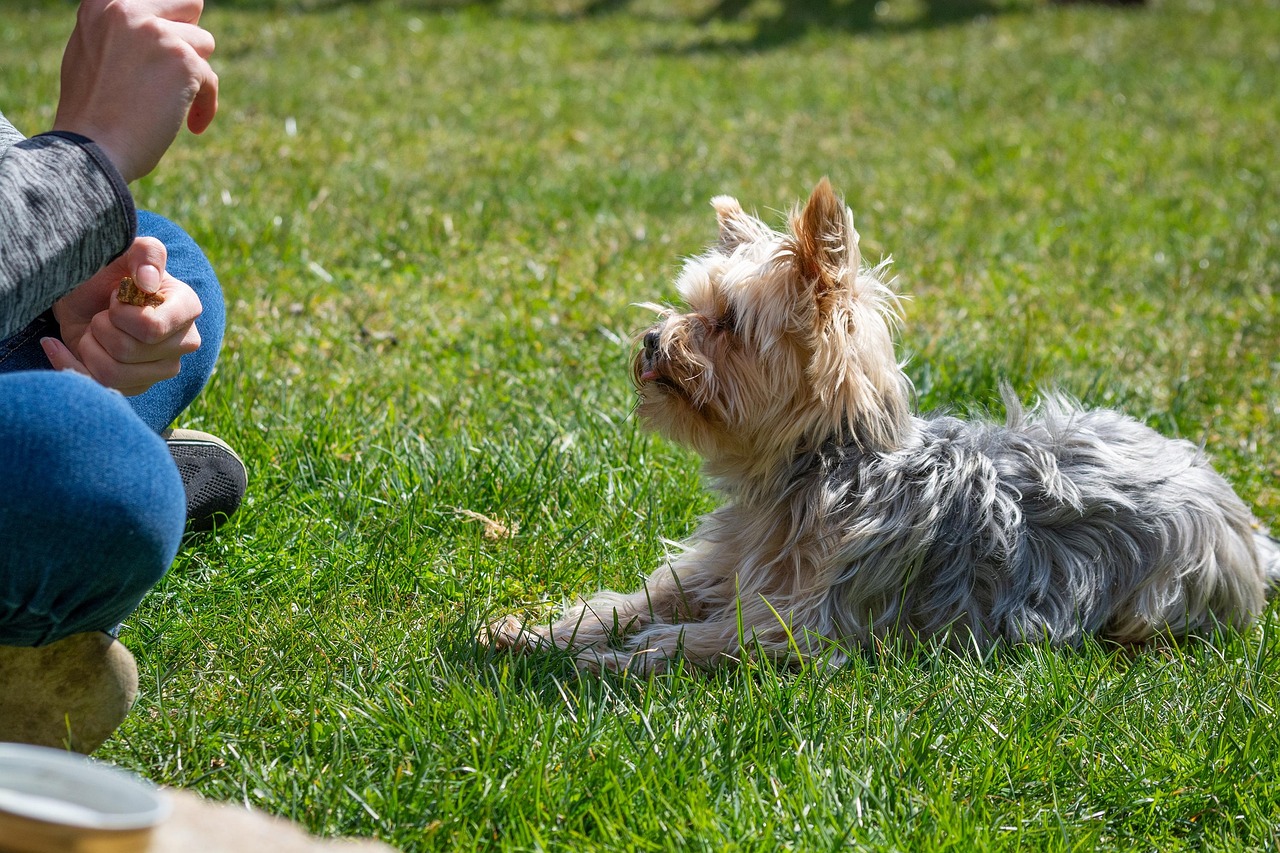
TL;DR
The best dog training treat is pea-sized, quick to eat, a single protein your dog tolerates and cheap per gram. We'd use turkey for everyday training, kangaroo for recall and tough distractions, and rabbit for sensitive dogs. Keep all treats under about 10% of daily calories and stick to reward-based training.
- Pea-sized pieces are plenty, even for big dogs, so pick treats that break small
- Use an everyday treat at home and save a richer, high-value treat for distracting places
- Turkey is our best value for training at $13.90 per 50g and is among our leanest
- Kangaroo and venison are rich (at least 27% and 34% fat), so use them sparingly
- Keep all treats, training rewards included, under about 10% of daily calories
Training treats get used up faster than any other treat in the cupboard. A ten-minute session can easily use twenty or thirty rewards, so the treat you pick has to be tiny, tasty, easy to break and fair on your wallet. This guide covers what makes a good training treat, how to match the treat to the setting, how our six single proteins compare on price and fat, which ones we would pick for everyday training and for hard moments like recall, and when a different reward is the better buy.
What makes a good dog training treat?
A good training treat is small, quick to eat, easy to break into pieces and something your dog really wants. It should also be cheap per gram and gentle on the waistline, because you will use a lot of them.
The American Kennel Club puts the size rule simply: "Even for large dogs, a pea-sized treat is plenty," and for small dogs you can go tinier still. Your dog cares about how many times it gets paid, not how big each payment is. Small pieces also keep the session moving, since your dog is not stopping to chew.
Reward-based training is also the method the experts back. The American Veterinary Society of Animal Behavior recommends that only reward-based methods are used for dog training. In Singapore, AVS launched an advisory in July 2025 that discourages shock and prong collars and says reward-based training "may be just as effective or more effective" for teaching the same behaviours. Food is the easiest reward to deliver fast, which is why the treat matters.
How would we choose a training treat?
Run through six checks. Most take a few seconds with the pack in your hand.
- Size, or breakable. Pea-sized or smaller. If the treat comes as cubes, it should crumble or snap cleanly so you can prep a pocketful in a minute.
- One named protein. A single ingredient is easy to read and easy to rule out if your dog's stomach disagrees with it. It also matters if your dog is on a vet-guided elimination diet.
- Fat level. Look for "crude fat" on the guaranteed analysis. You will feed a lot of training treats, so for everyday sessions lower fat is the sensible default.
- Price per gram. Training eats through a pack quickly. Divide the price by the weight so you compare like with like.
- Value to your dog. Every dog has its own ranking of rewards. You want an everyday treat for easy work at home and a richer one saved for hard moments outdoors.
- Handling and storage. You will be carrying treats on walks in Singapore heat and humidity, so pick something that stays dry in a sealed pouch and does not leave greasy fingers.
Do you need different treats for different settings?
Yes. Use an everyday treat for easy work at home and keep a higher-value treat for hard, distracting places. If your dog stops working for the everyday treat outdoors, the treat is not strong enough for that setting.
The AKC suggests that in a more distracting location you should "pull out the stinky treats your dog adores", and that if enthusiasm fades you should switch to a reward of equal or greater value. In practice, that means building a simple two-tier system:
- At home, in the HDB corridor or the lift lobby: your everyday treat, broken small. Sit, down, wait at the door, settling on a mat.
- At the park, near hawker centres or around other dogs: your high-value treat. Recall, leave it, walking past a cat or a dropped chicken bone.
- Big one-off moments: the vet table, nail trims and grooming. Use the richest reward you have, but fewer pieces.
Rotating proteins also keeps things interesting. If your dog tolerates more than one, having two flavours in the pouch can perk up a long session.
How do our training treats compare?
Here is our full treat range side by side for training. Every pack is 50g and a single protein, so price per 10g is a fair comparison.
| Protein | Price (50g) | Per 10g | Crude fat (min) | Training role | Think twice if |
|---|---|---|---|---|---|
| Turkey | $13.90 | $2.78 | 6.8% | Everyday reward, high-repetition sessions | Your dog reacts to poultry |
| Rabbit | $15.90 | $3.18 | 6.7% | Everyday reward for sensitive dogs | Your dog already eats rabbit often |
| Kangaroo | $19.90 | $3.98 | 27% | High-value: recall, outdoor distractions | You need a low-fat treat |
| Venison | $19.90 | $3.98 | 34% | High-value: hardest moments, active dogs | You need a low-fat treat |
| Horse | $22.90 | $4.58 | 10% | Novel protein for picky or sensitive dogs | Price is your first concern |
| Ostrich | $22.90 | $4.58 | 9.6% | Lean novel protein when others are ruled out | Price is your first concern |
Figures are label minimums from our guaranteed analysis; prices as listed on 30 October 2026. All six are freeze-dried raw with nothing added and suitable for dogs and cats.
Which training treats would we pick?
Start from the job, then pick the protein. Here are our honest picks, and where our range is not the answer.
Everyday training: Turkey. It is our lowest price per gram and among our lowest in fat, which matters when you are handing out dozens of pieces. The cubes crumble into pea-sized bits easily. Turkey is our default for puppy classes, home practice and walks.
Turkey Freeze-Dried Pet Treats (SGD $13.90): Pure turkey. Nothing else. Lean white meat that's gentle on the stomach and great for training.
High-value moments: Kangaroo. For recall at the park or holding a sit while another dog walks past, you need something worth more than the distraction. Kangaroo is rich and strongly flavoured. Because it is at least 27% fat, keep it as your top-tier reward and use smaller pieces.
Kangaroo Freeze-Dried Pet Treats (SGD $19.90): Pure kangaroo. Nothing else. A novel protein for itchy, sensitive dogs and high-value training.
Sensitive or itchy dogs: Rabbit. If your dog is on a vet-guided elimination diet, check with your vet before adding any treat. Rabbit is our most affordable novel protein and is as lean as turkey, so it works as an everyday reward too. Our itchy pets collection has the other novel options.
When ours are not the right fit. Some dogs are not very food motivated and work harder for a tug toy or a quick game. Use that. AKC also notes that soft treats are faster to eat than crunchy ones, so for very fast-paced sessions some trainers prefer a soft treat. If your household would rather avoid raw meat altogether, a cooked treat is the better buy. If your vet has put your dog on a low-fat diet, ask them which treats fit, and skip kangaroo and venison.
How many training treats can my dog have in a day?
Keep all treats together, training rewards included, under about 10% of your dog's daily calories. On a heavy training day, take a little out of the main meal so the total stays the same.
UC Davis veterinary nutrition guidance says treats and extra food items "should not exceed 10% of the daily caloric intake", and WSAVA says treats should never replace a meal. Our pack guide is 4 to 6 cubes a day for dogs under 10kg, 7 to 10 for 10 to 20kg and 13 to 15 over 20kg. Break each cube into four or more pieces and that becomes a lot of rewards. (Our guide to how many treats a dog should have explains the treat jar trick for keeping count.)
Some easy habits help:
- Measure the day's treats into a pouch in the morning. When it is empty, training is done.
- For a puppy on scheduled meals, you can use part of its regular kibble for the easiest cues.
- Try any new treat in a small piece first and watch for tummy upsets before using it in a long session.
How do you keep training treats fresh and clean in Singapore?
Keep them sealed and dry, and wash your hands after a session. Freeze-dried pieces are dry by design, and our humid air will soften them if the pouch is left open.
Because our treats are freeze-dried raw, handle them like raw meat. The US FDA advises washing your hands with soap and water for at least 20 seconds after handling raw pet food. In practice:
- Reseal the pouch straight after you fill your treat bag.
- Wash or wipe out your treat pouch regularly; crumbs build up fast.
- Wash your hands after a session, especially before you eat at the hawker centre.
- Keep treat pouches out of reach of small children.
Bottom line
The best training treat is tiny, quick to eat, a single protein your dog tolerates and fair on price per gram. For most dogs we would use turkey for everyday training, keep kangaroo for recall and big distractions, and choose rabbit for sensitive dogs. Keep all treats under about 10% of daily calories and stay reward-based.
Ready to stock the treat pouch? Browse our best-selling single-protein treats and start with a pack of turkey.
Frequently asked questions
What size should dog training treats be?
Small. The American Kennel Club says a pea-sized treat is plenty even for large dogs, and smaller still for small dogs. Your dog counts rewards, not size, so breaking each treat into several pieces gives you more rewards per pack, keeps the session moving and keeps calories down.
What is a high-value treat for dog training?
A reward your dog wants more than whatever is distracting it. It is usually richer and stronger smelling than the everyday treat. Save it for hard moments such as recall at the park or walking past another dog, so it keeps its pull. Kangaroo and venison are our richest options.
Are freeze-dried treats good for training?
Yes, if you break them small first. Single-protein freeze-dried cubes are light, crumble easily and are strongly flavoured, which most dogs love. They are freeze-dried raw, so wash your hands after a session. AKC notes soft treats are faster to eat, so some trainers prefer them for very fast sessions.
How many training treats can I give my dog a day?
Keep every treat, training rewards included, under about 10% of daily calories, the guideline from UC Davis veterinary nutritionists. On our packs that is roughly 4 to 6 cubes a day under 10kg. Break each cube into pieces, and trim the main meal slightly on heavy training days.
Can I use treats to train a puppy?
Yes. Reward-based training with food is the approach recommended by veterinary behaviour experts and encouraged by AVS in Singapore. Use very small pieces, try any new treat in a small amount first and keep sessions short. Part of your puppy's regular kibble also works for easy cues at home.
Sources
- AVS, NParks: New advisory discourages dog owners from using shock and prong collars (July 2025)
- American Veterinary Society of Animal Behavior: Position statements (Humane Dog Training)
- RSPCA Australia: What is reward-based dog training and why does the RSPCA support it?
- American Kennel Club: Dog training treats
- UC Davis Veterinary Medicine: Treat guidelines for dogs
- WSAVA: Feeding treats to your dog
- US FDA: Get the facts! Raw pet food diets can be dangerous to you and your pet
This article is general information, not veterinary advice. If your pet has ongoing symptoms, see your vet.